Throughout early 2026, a gentle soul filled our Harmony Equine Center pastures, pens, and stalls with his sweetness and love.
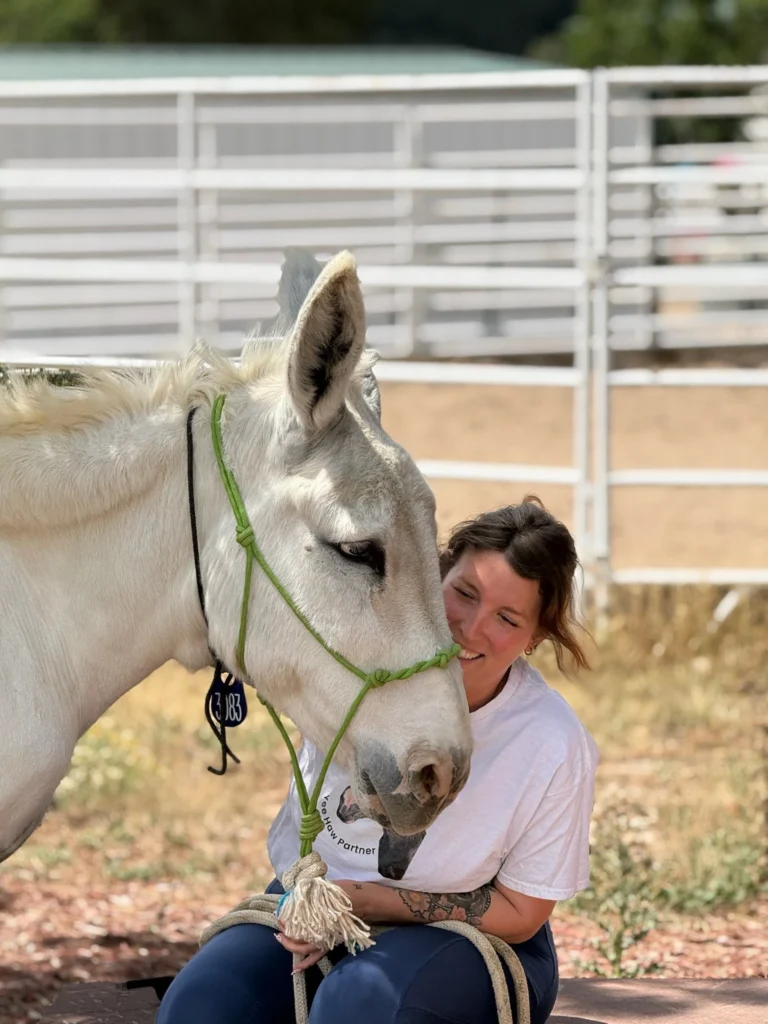
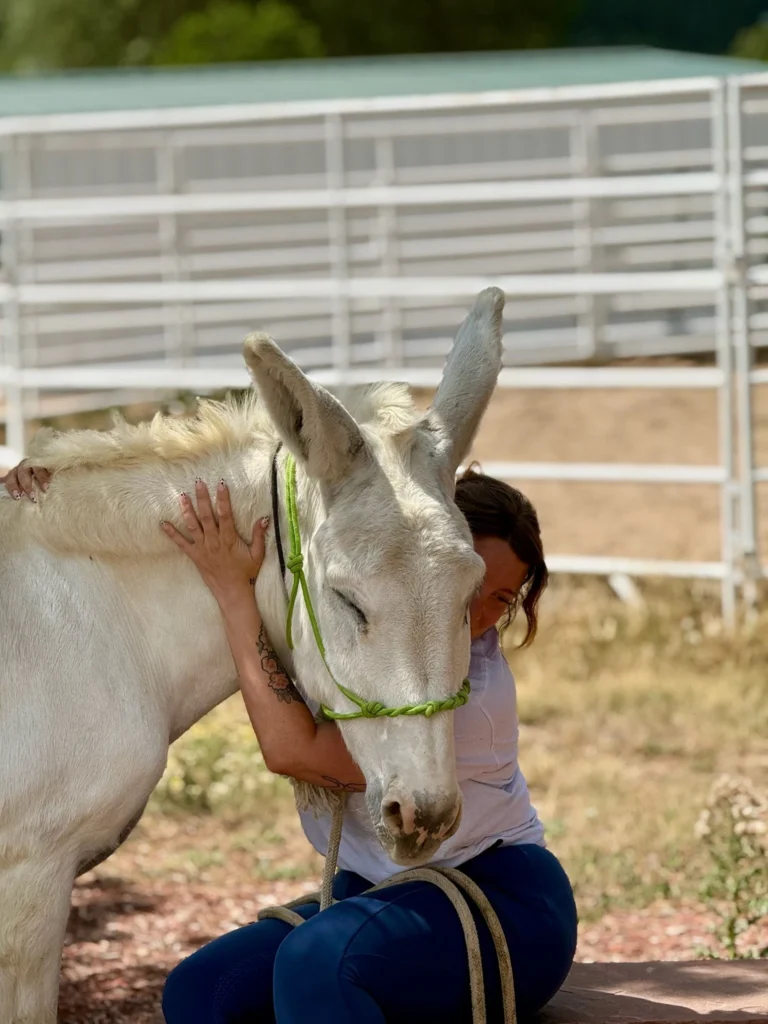
Bobsled, like most other equines at Harmony Equine Center, came to us from a dire situation, lacking the care and connection he has always given to others. In particular, his hooves were so severely neglected that he may experience chronic lameness, requiring therapeutic assistance, medication, and consistent farrier care. Bobsled is not the only equine that has graced Harmony in these conditions.
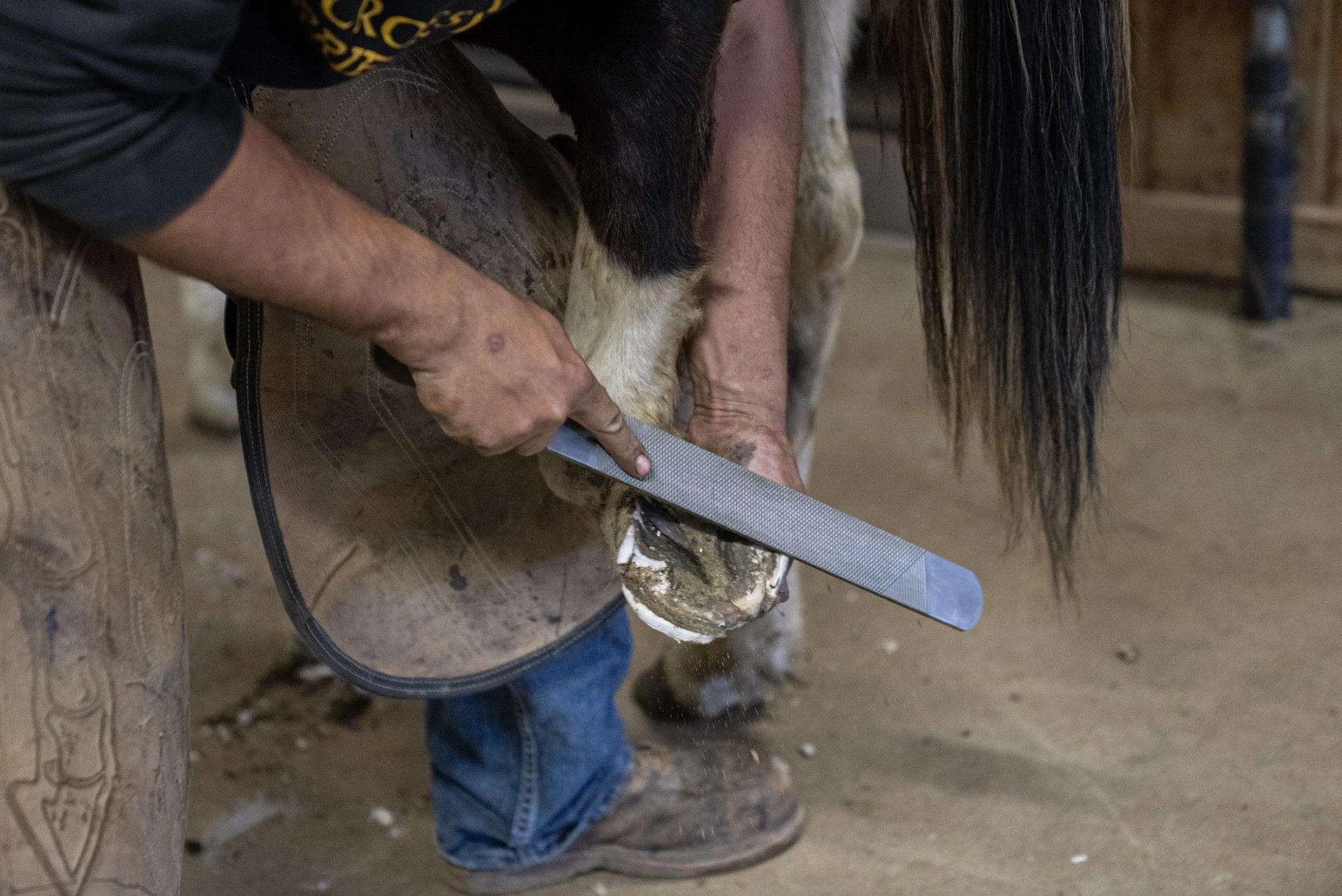
Since July 2025, hoof care has been a priority for our team at Harmony. While hoof care is always important, we’ve seen over 130 horses, donkeys, mules, and other equines come into our care; many through animal protection cases involving suspected neglect, suffering from critically overgrown hooves, thrush, and/or abscesses that required immediate and ongoing care.
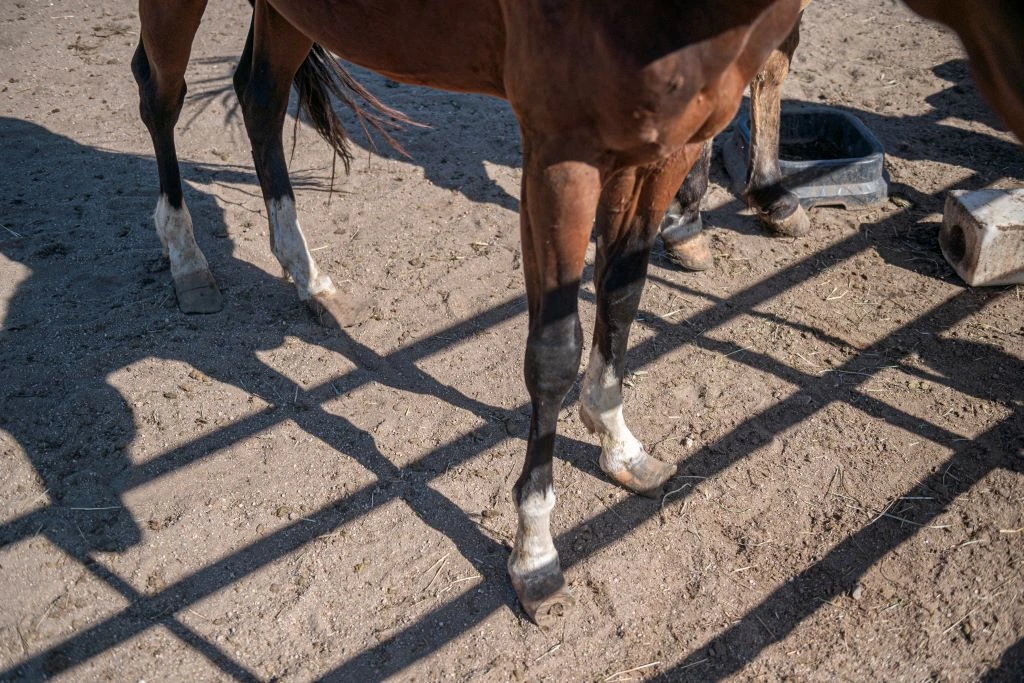
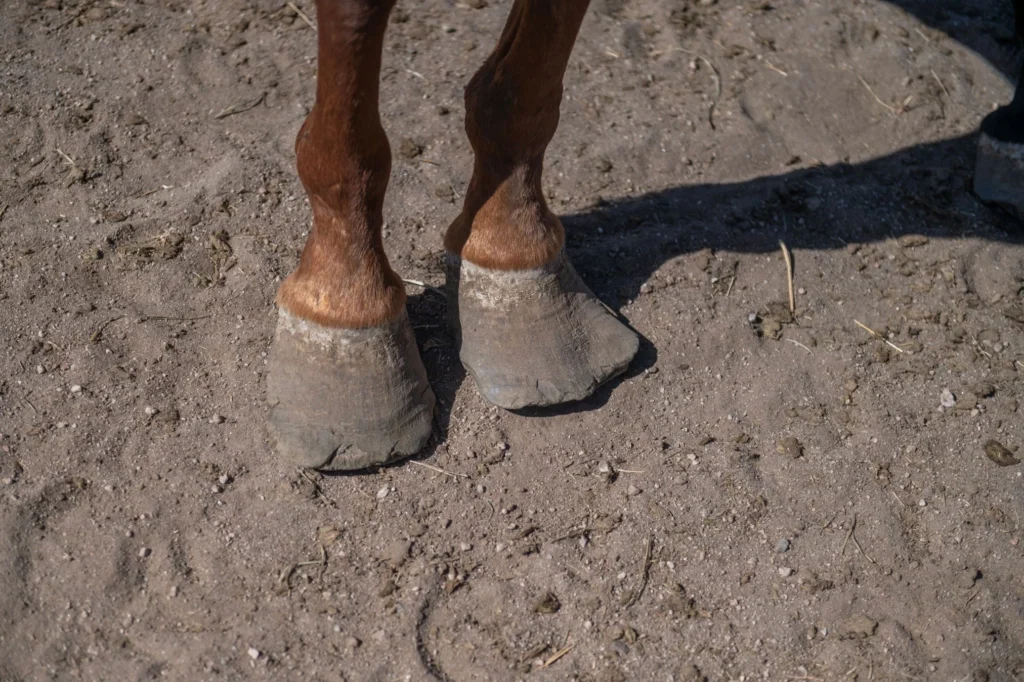
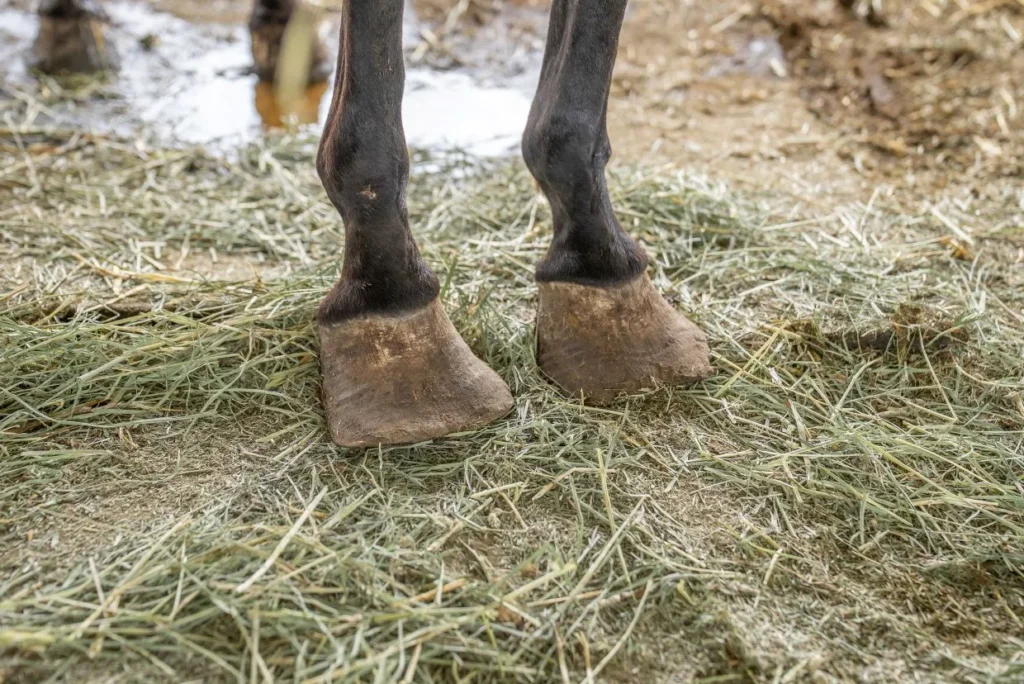
Equines spend most of their lives on their feet, relying on their hooves to support their body weight in addition to trotting around. When hooves grow long, it impacts a horse’s mobility, increasing the strain on tendons, ligaments, and joints, which causes pain, leading to a reduced quality of life.
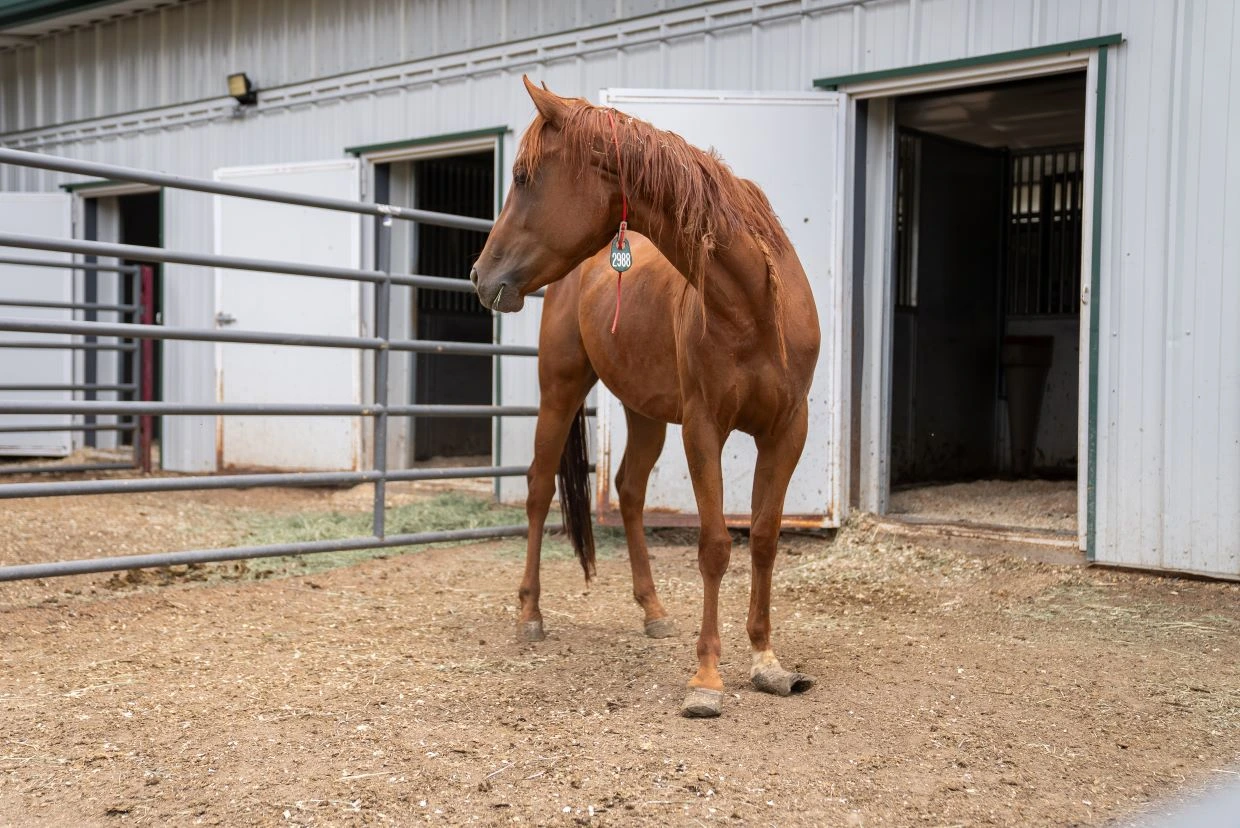
Extreme weather and unkempt conditions, like muddy pastures and dirty stalls, can weaken the integrity of the hoof structure, causing further suffering.
That is why farrier care is so important.
Routine hoof care maintains proper hoof balance, support mobility, prevents excessive hoof growth, and keeps horses comfortable.
– Lora, Manager at Harmony Equine Center
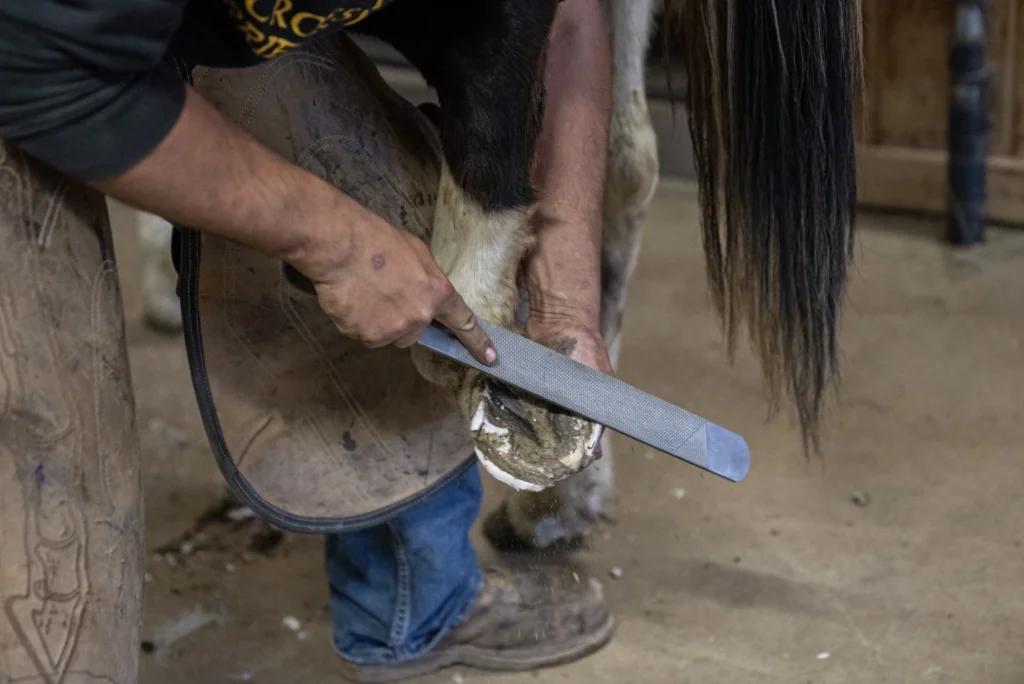
Similar to our fingernails, hooves continue to grow throughout a horse’s life at an average rate of 6mm to 1cm a month. Farriers are trained professionals specialized in hoof care, evaluating the individual needs of the equines they serve, ensuring the hoof is properly balanced, and providing their recommendations for ongoing care, including frequency of visits.
One step at a time
Building trust with a farrier can be slow and steady, especially for equines that are unfamiliar with hoof care, in pain, or due to a lack of training. Even halter-broke horses may struggle with farrier care, especially if they may have experienced neglect or abuse.
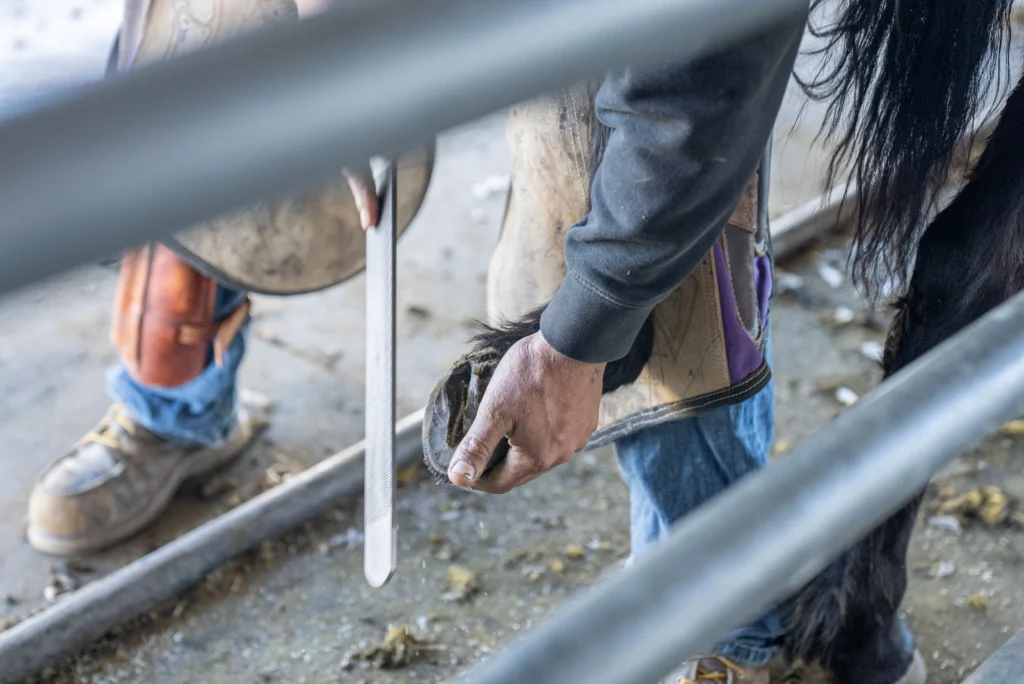
Given his pain, Bobsled initially struggled with farrier visits, often needing sedation to reduce the chances of injury to himself or the farrier.
Over the course of a year, we had 414 farrier visits to Harmony, averaging 34 visits a month to support the equines in our care.
New Boot Goofin’
During his repeated visits with the farrier, Bobsled’s confidence grew. Cloud boots were recommended for his front feet to provide extra support, but gave ongoing relief from chronic lameness, lower-limb pain, and other hoof problems.
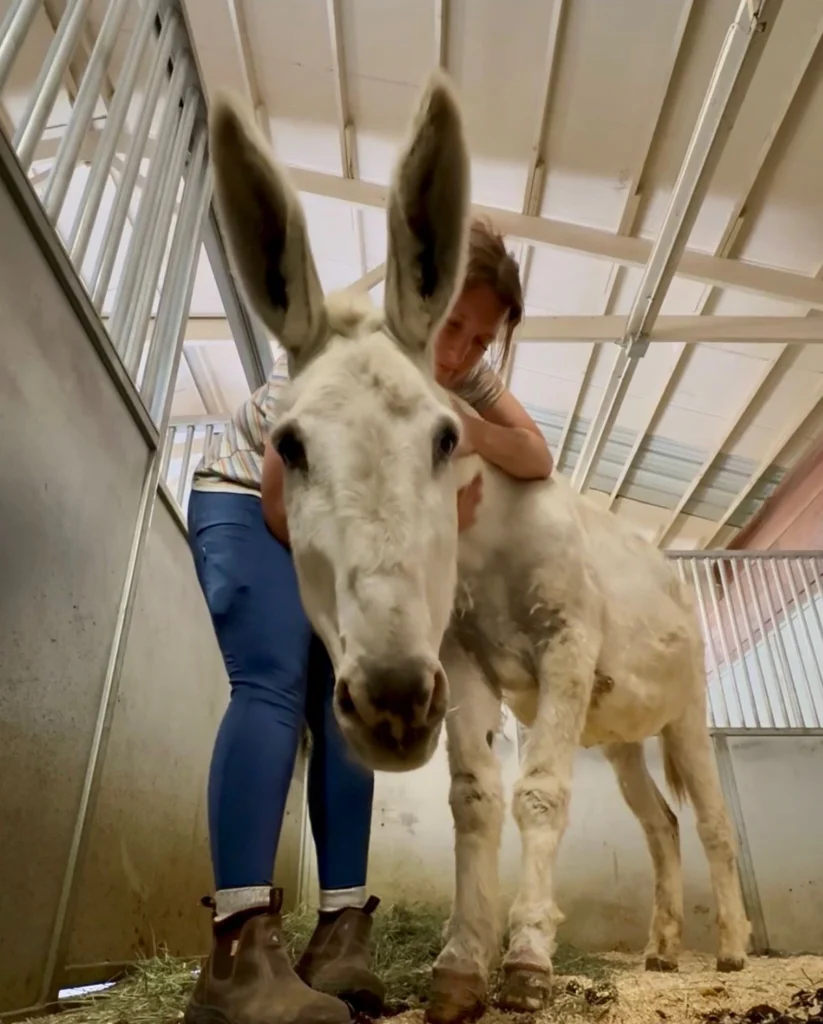
Thanks to our dedicated team at Harmony, 15-year-old Bobsled started to open up more, enjoying slow walks, braying for grooming sessions, or melting into the arms of his Harmony caregivers.
Wild horses vs. domestic equines
Wild horses live a different lifestyle compared to our domesticated friends. Where wild horses spend most of their time in regular movement on varied terrain, domestic equines spend their time in soft-grounded pastures or stable stalls.
Diet also plays a role in hoof health for equines – wild and domesticated; a malnourished equine may have brittle hooves due to a lack of proper nutrition and vitamins. Cracks, chipping or breaking at the edge of the hoof, weak hoof walls, and tenderness are all signs of brittle hooves.
Hoof care between farrier visits
Horses typically receive farrier care every 6 to 8 weeks, depending on their individual needs, but there are things you can do to tend to your horse between visits to reduce hoof issues.
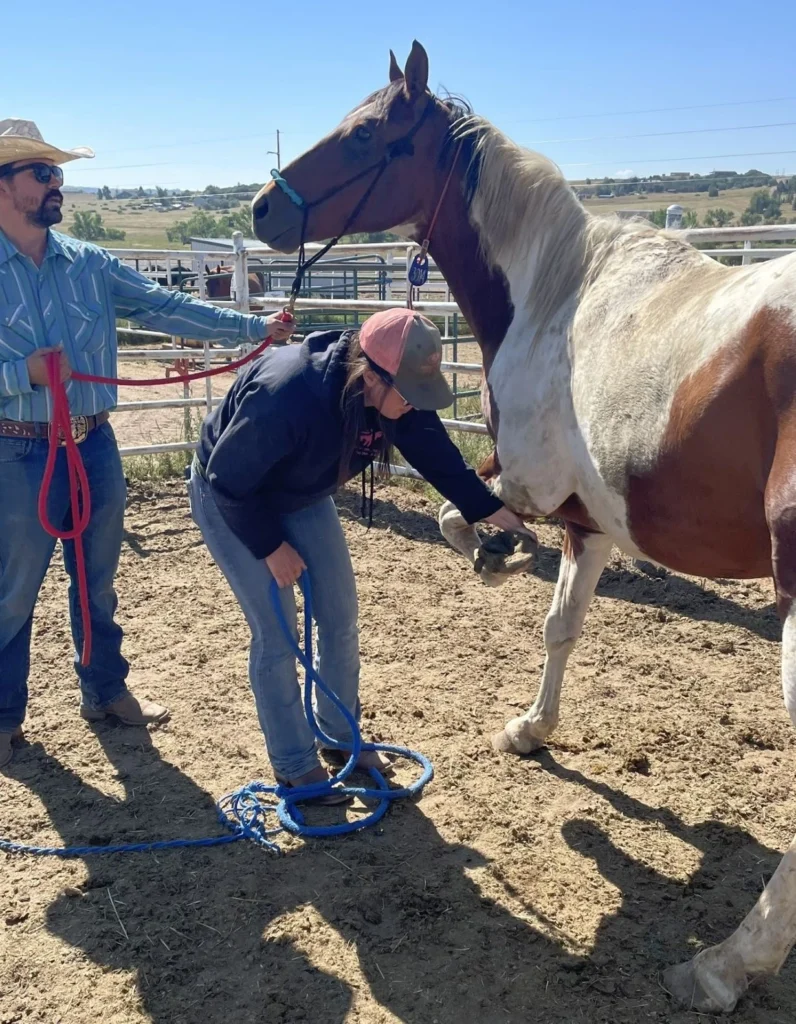
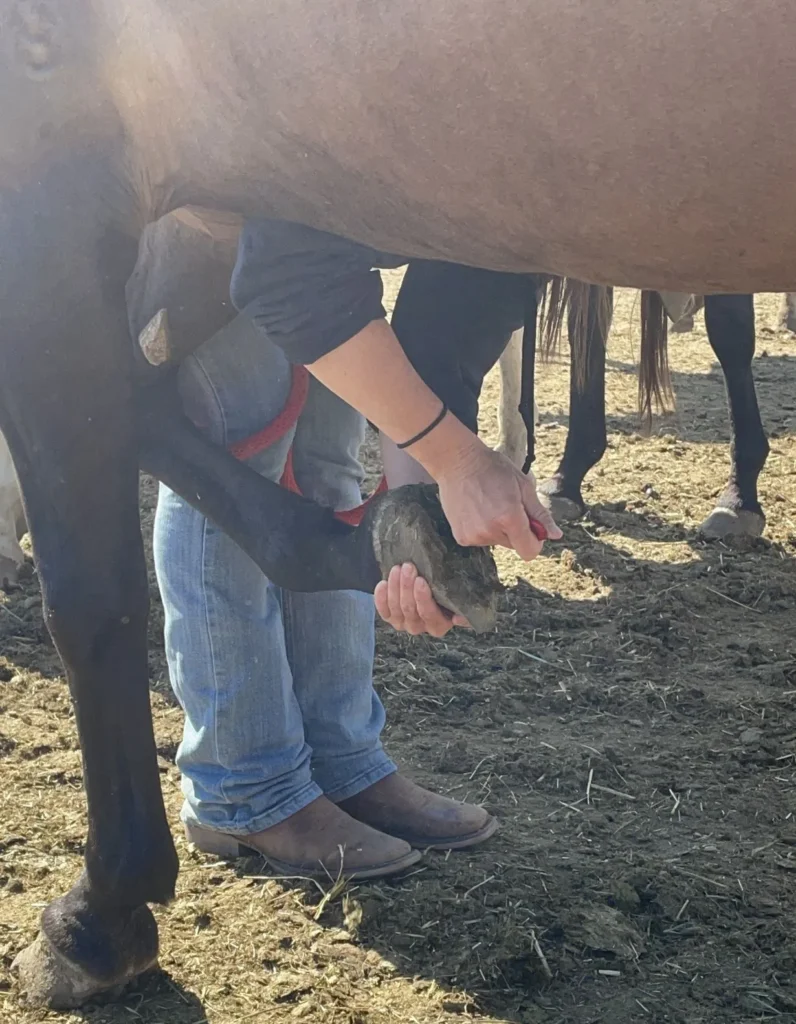
Daily hoof inspections and picking out debris in your horse’s hooves can reduce the chances of infections, help you spot subtle changes that can lead to big issues, and build your bond. Hoof inspections also give you time to evaluate their space for excess moisture or waste that can increase the chances of your horse developing an infection.
As we mentioned before, access to quality hay and clean water is imperative to your equine’s overall health and can also impact the quality of their hooves.
Bobsled’s journey home
In July 2026, we were overjoyed when a loving family adopted Bobsled along with a mule named Dolly to join their herd, which includes two other Harmony alumni. Although donkeys often serve as “livestock guardians,” we worked to ensure that comfort and companionship were prioritized over work for Bobsled in his new home. Retired and living his best life, Bobsled now receives the affection and love he’s always displayed for others.